
If sewage enters a home, keep people and pets away from the affected area. The next steps are to stop the source when possible, assess where contaminated water traveled and determine which materials can be cleaned or must be removed.
This guide explains those steps, the equipment used during professional cleanup and ways to reduce the chance of another backup.
Table of Contents
- Understanding Sewage Contamination
- Immediate Steps to Take After a Sewage Incident
- DIY Cleanup Vs. Hiring Professionals
- The Role of Professional Sewage Cleanup Equipment
- Dealing with Structural Damage
- Preventing Future Sewage Problems
- Wrapping it Up
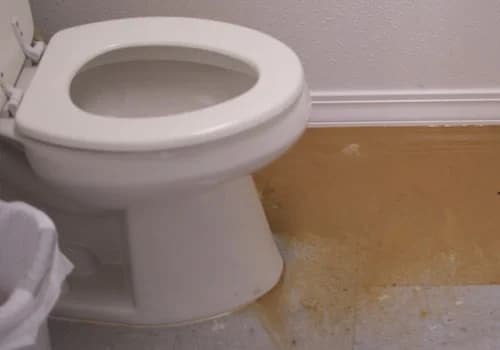
Understanding Sewage Contamination
Sewage contamination comes in different forms. Common types include overflow from sewers, septic system issues, and storm water runoff.
Depending on how contaminated the water is, it can either be classified as category 2 (grey water) or category 3 (black water.) Grey water may contain some contaminants, like soap, chemicals, and even urine. It typically comes from household appliances such as washing machines or dishwashers, but can also come from overflowing toilet bowls (as long as no feces are present.) Category 3 water (black water) is sewage-contaminated and poses a higher health risk. It may contain pathogens and hazardous materials, often originating from sources like sewer backups or floodwaters. Proper precautions and professional assistance are crucial when dealing with Category 3 water damage. Read more about wastewater classifications from the Institute of Inspection Cleaning and Restoration Certification.
Sewage may contain bacteria, viruses and parasites. Contact with contaminated water or surfaces can pose a health risk, so keep people and pets out of the affected area and use trained cleanup professionals.
Immediate Steps to Take After a Sewage Incident
- Call a professional immediately. Don’t wait to get the advice and help of a qualified professional. This will make the cleanup process safe and thorough.
- Prioritize safety. Wear protective gear like gloves and masks if you are unable to evacuate quickly. Avoid direct contact with contaminated water.
- If possible and safe, stop the water source.
- Turn off electrical power to the affected area if it is safe to do so.
- Open windows for ventilation.
- Take photos for insurance claims before cleanup begins.

DIY Cleanup Vs. Hiring Professionals
If Trying the DIY Route
If opting for DIY cleanup, the primary focus should be on personal health and safety. Complete steps 2-6 outlined above before moving on to the cleaning process.
After these steps have been completed, your next action should be to remove standing water with a wet vacuum or a mop. In situations where electrical power cannot be turned off safely, use extreme caution as standing water may conduct electricity.
Once standing water has been removed, it’s time to begin disinfecting. Use a bleach solution, and make sure to open windows for ventilation.
Calling in the Pros
The Case for Professional Cleanup
Sewage can contain bacteria, viruses and other contaminants, and exposure may pose a health risk. Professional crews use protective equipment, containment and dedicated extraction and cleaning tools to address contaminated water and affected materials.
Thorough Cleaning and Disinfection
Professionals make use of specialized cleaning agents and disinfectants to ensure a complete and effective removal of contaminants. This goes far beyond what typical household cleaning products can achieve. The goal is not only to address visible signs of sewage but also to get rid of hidden risks.
Preventing Secondary Damage
Professionals also focus on preventing secondary damage, such as mold growth. Mold can begin growing within 24-48 hrs if the affected area is not fully and immediately dried. Experienced professionals will use advanced drying techniques and equipment to respond to this risk, ensuring a total and long-lasting solution.
Cost-Benefit Analysis
Professional cleanup provides a documented process for removal, cleaning, disinfection and structural drying. The team can also explain which porous materials need to be removed and which surfaces can be cleaned in place.

The Role of Professional Sewage Cleanup Equipment
Smart sewage cleanup involves using specialized tools. Equipment used by professionals to detect moisture, dry, and sanitize is designed to tackle these unique challenges. Professional teams use a range of tools to handle various parts of the cleanup process.
High-powered pumps extract standing water efficiently, removing sewage and minimizing the risk of further damage.
Advanced moisture detection tools help locate contaminated water behind finishes and inside building cavities. The readings guide material removal, cleaning, disinfection and drying.
Air scrubbers and dehumidifiers are also essential parts of the process. Air scrubbers help filter and purify the indoor air by removing particles and contaminants, helping to keep the environment healthier during and after cleanup. Dehumidifiers play a vital role in moisture control, preventing the growth of mold and mildew.
Specialized tools help technicians locate contaminated moisture, remove water, control humidity and clean affected surfaces. Professional assessment is especially important when sewage has reached porous materials or building cavities that cannot be inspected from the surface.
In summary, the use of specialized equipment is a cornerstone of professional sewage cleanup. These tools, ranging from pumps to moisture detectors and air purifiers, allow for comprehensive cleaning, disinfection, and moisture control. Investing in professional services gives you access to the necessary technology, providing a more reliable and thorough solution to sewage contamination issues.
Dealing with Structural Damage
Sewage exposure can wreak havoc on a property’s structural integrity, so it is imperative to address potential issues promptly. Structural damage may not always be immediately obvious, and thorough inspections by an experienced professional are how you identify hidden problems.
One common consequence of sewage exposure is the weakening of building materials. Porous materials, like wood and drywall, can absorb sewage, leading to decay and compromising their strength. Over time, this can result in structural issues such as sagging floors, warped walls, or even foundation problems.
An inspection can identify damage beneath finishes and determine which materials can be cleaned, dried or repaired. Finding those conditions early gives the restoration team a clearer scope and helps prevent damaged materials from being closed back into the building.
Addressing structural damage promptly can help limit further deterioration. A professional inspection identifies affected materials and the repairs needed after cleanup.

Preventing Future Sewage Problems
After cleanup is complete, consider whether maintenance or plumbing changes could reduce the chance of another backup. Some events are outside a homeowner’s control, but routine inspections and prompt repairs can address common preventable causes.
- Regular Inspections: Conduct regular inspections of plumbing and sewage systems. Look for signs of leaks, corrosion, or blockages. Noticing issues early can prevent more serious problems later on.
- Proper Disposal: Avoid flushing items that can clog drains or toilets, such as wipes, hygiene products, or excessive amounts of toilet paper. Dispose of grease and cooking oils in the trash instead of pouring them down the drain.
- Tree Root Management: If you have trees on your property, pay attention to their root systems. Tree roots can invade sewer lines, leading to blockages and damage. Consider professional advice on managing tree roots near sewage lines.
- Septic System Maintenance: If your home has a septic system, follow a regular maintenance schedule. Pump the septic tank as recommended, and be cautious about what goes into the system to prevent overloading.
- Install Backflow Prevention Devices: Install backflow prevention devices to avoid sewage backup into your home during heavy rainfall or flooding. These devices help maintain a one-way flow in sewage lines.
- Sump Pump Maintenance: If you have a sump pump, make sure that it is in good working condition. Regularly check and maintain the pump, especially before the rainy season, to prevent basement flooding.
- Grade Your Property: Ensure proper grading around your property, directing water away from the foundation. Poor grading can lead to water pooling around the foundation, increasing the risk of water and sewage entry.
- Educate Household Members: Educate everyone in your household about responsible water usage and proper disposal practices. Teach them what should and shouldn’t be flushed or poured down drains.
- Prompt Repairs: Address plumbing issues promptly. Whether it’s a leaking pipe or a malfunctioning sewage pump, quick repairs can prevent minor issues from escalating into larger and more costly problems.
- Professional Inspections: Periodically hire professionals to inspect your sewage system, especially if you notice unusual odors, slow drains, or gurgling sounds. Professionals can identify potential issues before they become emergencies.
Wrapping it Up
If sewage has entered the building, keep people and pets away from the affected area. Call Cleveland Water and Fire Restoration, Inc. at any hour. A First Responder is typically on site within 1 hour to establish the next course of action.


