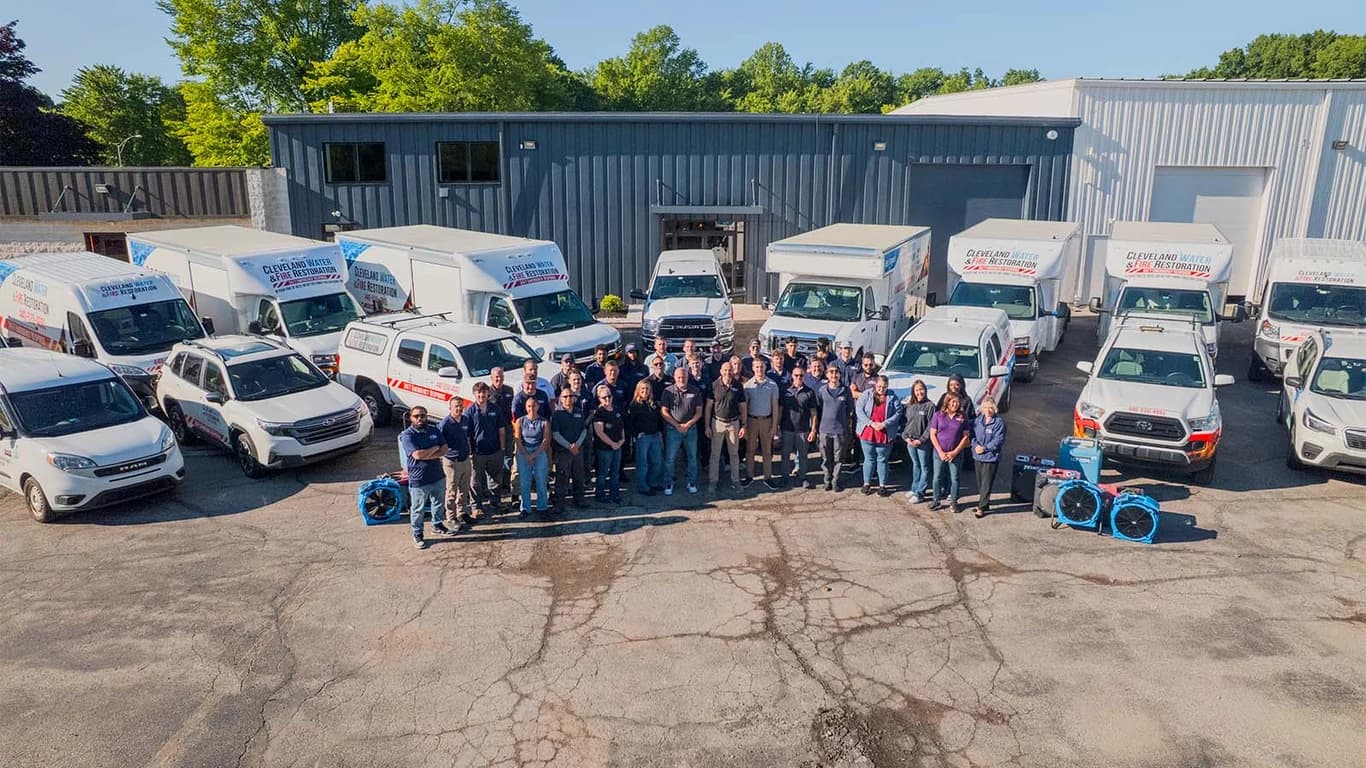

Persistent odors can remain after fire, water or mold damage even when the visible cleanup is complete. Smoke residue, microbial growth and contaminated porous materials each require a different approach. This article explains how restoration professionals identify the source and select an appropriate cleaning or deodorization method.
Table of Contents
- Understanding the Science Behind Lingering Odors
- Common Restoration Situations and the Smells That Go With Them
- The Role of Proper Restoration Techniques in Avoiding Stubborn Odors
- 5 Key Strategies for Odor-Free Restoration
- Why to Call in the Pros
- Health Concerns Related to Lingering Odors
- The Future of Odor Removal
- A Few Tips for Homeowners
- Strategies for Success: A Recap
Understanding the Science Behind Lingering Odors
Lingering odors post-restoration often seem like hidden enemies. The first step in uncovering and knowing how to deal with them is to understand them better. These odors come from various sources, including volatile organic compounds (VOCs) released during combustion, microbial activity, or the breakdown of organic matter.
Odor molecules, despite their tiny size, can be surprisingly strong. They often go deep into porous materials like wood, fabric, or insulation, making it hard to remove them with regular cleaning. Traditional cleaning may not fully get rid of odors because it usually deals with surface-level issues, leaving hidden pockets of odor molecules. To remove these smells effectively, it’s important to know how the molecules are structured and behave.
Different kinds of smells show up depending on what happened to the building. For example, after a fire, there might be a strong smoke smell from the things that burned. Water damage can bring in musty smells because of mold or the awakening of tiny living things. Pros who understand these challenges can adjust how they deal with odors, making sure they focus on the specific sources to remove them better.
Understanding why smells stick around after fixing things up involves looking closely at how smell particles behave with different materials and finding where they come from. This knowledge helps experts create individualized plans that don’t just clean the surface but also get rid of smells at their source. This makes sure that the space feels fresh and restored.

Common Restoration Situations and the Smells That Go With Them
Different restoration projects bring their own set of challenges and distinctive smells that linger after the damage is addressed. When a building experiences a fire, the resulting smoke can create a unique odor caused by the release of pyrolysis byproducts. This distinct smoke smell poses a particular challenge for restoration experts, requiring specialized techniques to effectively neutralize it.
On the other hand, water damage introduces its own odor concerns. The musty smells associated with water damage often stem from mold growth or the activation of dormant microbes. Microbes, including bacteria and fungi, exist in various environments, often in a dormant or inactive state. However, when water intrusion occurs, especially in areas with high humidity, these dormant microbes can become activated and start to grow. This can lead to mold growth. Mold, in particular, can produce an earthy and unpleasant odor that persists even after visible signs of water damage are resolved. Understanding the specific smells linked to water damage is crucial for professionals to tailor their approach and ensure a thorough removal process.
The Role of Proper Restoration Techniques in Avoiding Stubborn Odors
Thorough odor removal starts with the source rather than the smell alone. Identifying affected porous materials and the residue involved helps the team choose an appropriate cleaning, removal or deodorization method.
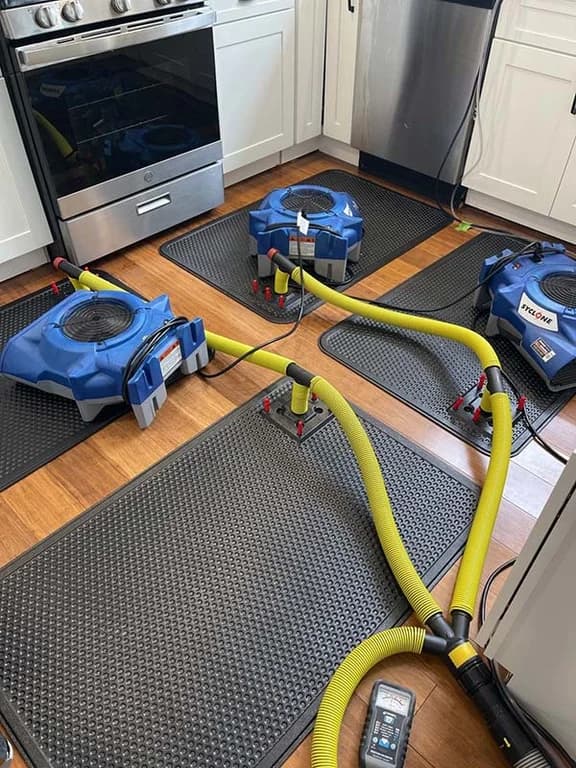
Special restoration methods are vital for getting rid of smells effectively. Pros take different approaches depending on the situation- including deep cleaning, specific deodorizing, and use of advanced tools such as ozone and hydroxyl generators. They adjust these methods to fit the specific challenges of each situation, like dealing with smoke smells after a fire or musty scents from water damage. Mixing traditional and modern methods ensures a complete plan that removes smells from the source.
5 Key Strategies for Odor-Free Restoration
-
Utilize advanced cleaning methods, including deep cleaning.
-
Apply targeted deodorization techniques tailored to the specific nature of the odors.
-
Incorporate cutting-edge technologies like ozone and hydroxyl generators for a more complete removal process.
-
Customize techniques to handle unique challenges in different restoration scenarios, such as smoke odors after a fire or musty smells from water damage.
-
Combine proven methods with innovative technologies to ensure a thorough strategy that neutralizes odors at their source, contributing to the overall success of the restoration process.
Why to Call in the Pros
When it comes to eliminating odors after restoration, having professionals on board is crucial. These experts bring in-depth knowledge and experience, ensuring a solid grasp of the science behind odors. From pinpointing sources to using effective removal strategies, their expertise significantly boosts the success of the restoration process.
Professionals have the skills to navigate the details of different restoration scenarios. Whether dealing with fire, water damage, or mold-related odors, their specialized knowledge allows for a targeted and efficient approach. Homeowners benefit from knowing that trained professionals bring in-depth knowledge to their project..
Benefits of Working with a Cleveland Expert:
Collaboration with local experts provides additional advantages in achieving odor-free restoration. Local professionals in the Cleveland area understand the unique challenges prevalent to this region, and can tailor their approach to address regional factors that may influence lingering smells. This localized expertise ensures a more accurate and efficient odor removal process, taking into account environmental nuances and regional restoration requirements.
Taking a holistic approach means not just fixing smells now but also planning for the future. Local experts add helpful ideas for preventing odors and keeping your space fresh in the long run.
Health Concerns Related to Lingering Odors
An odor can indicate that smoke residue, microbial growth or another contaminant is still present. Depending on the source, those conditions may affect indoor air quality and may irritate the eyes, nose or throat or aggravate allergies and respiratory conditions for some people. An odor alone does not identify the health risk, which is why the source needs to be assessed.

The Future of Odor Removal
The future of odor removal holds exciting possibilities. There are new technologies being used every day, such as smart sensors and advanced filtration systems. These are revolutionizing how professionals approach odor detection and removal. They allow for more precise identification of odors and their sources.
there’s also a growing focus on being eco-friendly and sustainable in odor removal practices. The restoration industry is taking the lead in adopting these advancements to make the process more efficient and environmentally conscious. It’s all about staying on top of the latest tech for effective and responsible odor removal.
A Few Tips for Homeowners
Keeping your home odor-free after a restoration:
Once restoration is complete, normal ventilation and routine cleaning can help keep odors from building up again. Follow any project-specific instructions for air filtration, carpets, upholstery or other materials that were affected.
Pay attention to potential problem areas, such as basements or attics, and address any issues quickly. For specific odors like smoke or cooking smells, using natural deodorizers such as baking soda or citrus peels can be effective. By remembering these practical tips in regular home maintenance, occupants contribute to a long-lasting, odor-free living space.
Preventing Future Odors
Prevention is the key to avoiding lingering odors in the first place. Identify and fix any water leaks as quickly as possible to prevent mold growth, a common source of musty smells. For smokers, establish designated outdoor smoking areas to keep indoor smoke odors at a minimum. Avoid leaving damp or wet items unattended, as these can cause unpleasant odors.
Stick to a routine cleaning schedule that includes not only visible surfaces but also often overlooked areas like vents and ducts. Regularly inspect and clean appliances that generate strong odors, such as ovens and refrigerators. Educate everyone in your home about proper waste disposal practices to reduce the likelihood of lingering smells. If you are consistent with these preventive measures, they will contribute significantly to protecting your indoor air quality.

Strategies for Success: A Recap
Effective odor removal starts with identifying the source, removing contaminated materials when needed and matching the treatment to the residue. If an odor remains after property damage, call Cleveland Water and Fire Restoration, Inc. for a no-obligation estimate and a clear explanation of the next steps.