Mold remediation is often misunderstood, especially when visible growth looks small or a household cleaner appears to remove it. These six points explain what moisture, porous materials and containment mean for a proper assessment.
1. “Mold Only Grows in Dirty Homes”
Mold growth is primarily a moisture issue, not a reflection of housekeeping. Even a clean home can develop mold when water or elevated humidity reaches drywall, wood, dust or other organic material.
Growth may be visible on a surface or concealed behind walls, beneath flooring or under carpet. If you find mold, look for the moisture source rather than assuming cleaning alone will resolve it.
Leaks, elevated humidity and poor ventilation can support growth in any home. Knowing where moisture collects is more useful than judging the cleanliness of the room.

2. “Bleach is the Ultimate Mold Remover”
Bleach is often treated as a one-size-fits-all solution for mold removal, but the right approach depends on the material, extent of growth and moisture source.
The EPA’s homeowner mold guide does not recommend bleach as a routine mold-cleanup treatment. Killing mold alone does not remove it. Cleanup also needs to address affected materials and the water problem; some porous materials cannot be cleaned completely and may need removal. Never mix bleach with other cleaners.
Bleach may clean some nonporous surfaces, but it does not address growth inside porous materials or correct the moisture source. Mold and Air Duct Pros can inspect the affected area and explain whether cleaning, removal or broader remediation is appropriate.
3. “Mold Remediation is a DIY Project”
In the age of online tutorials and DIY enthusiasts, the idea of tackling mold remediation on your own might seem completely doable. However, this misconception can lead to significant issues, putting both your health and the effectiveness of the remediation process at risk.
Mold remediation takes more than just a can-do attitude and a willingness to scrub surfaces. It involves a deep understanding of mold types, appropriate removal techniques, and the necessary safety precautions. DIY attempts often fall short, missing hidden mold and allowing it to thrive unchecked.
Cleaning can make mold spores airborne and spread them beyond the original area. Household cleaners may also miss growth inside porous materials or leave the moisture source unchanged.
Our dedicated division, Mold and Air Duct Pros, evaluates the affected materials and moisture conditions and explains the recommended cleanup. The findings determine the cleaning and material removal needs.
For larger areas, concealed growth or water-damaged porous materials, a professional assessment can define the affected area, containment needs and removal plan.

4. “Mold Only Affects Those with Allergies”
People respond to mold exposure differently. It may irritate the eyes, nose, throat or skin and may aggravate allergies or respiratory conditions for some people. Individuals who are immunocompromised or have health concerns should speak with a medical professional. A property inspection can address the building conditions but cannot diagnose a person’s symptoms.
5. “Mold is Only a Surface Problem”
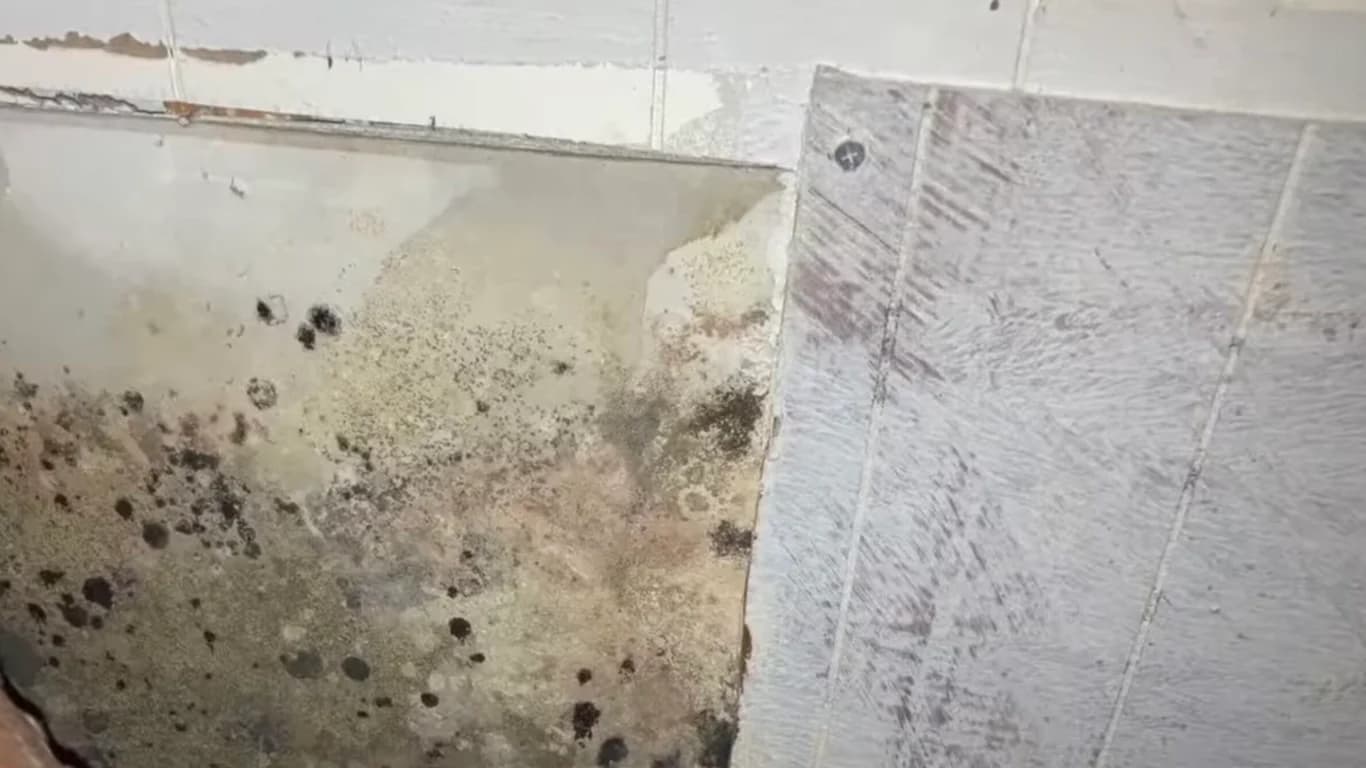
The belief that mold is only a surface issue is a common misconception. While surface mold is visible, the true extent of the problem often lies beneath the surface. Mold has the ability to grow and spread in hidden areas, such as within walls, behind wallpaper, or beneath flooring.
Visible surface growth may indicate moisture inside a wall, beneath flooring or in another concealed area. An inspection looks for both the affected material and the source of moisture rather than treating only the visible surface.
Professional mold remediation involves comprehensive inspection and treatment, reaching beyond the surface to identify and eliminate mold at its source. DIY solutions may tackle visible mold, but they often fall short in dealing with the underlying problem within the structure. If you understand that mold is not only a surface concern, you are already set up for a more successful mold remediation.
6. “Mold Goes Away on Its Own”
The misconception that mold will disappear on its own is a common but inaccurate belief. Mold is a tough and stubborn organism that thrives in damp and humid conditions. Once it takes hold in an environment, it tends to persist and spread. Unlike some other issues that may resolve naturally, mold takes specific, targeted removal.
Leaving mold unaddressed can lead to more serious problems over time. Mold spores can multiply, causing the issue to worsen and potentially impacting the indoor air quality. Mold can also affect the structural integrity of materials it grows on, leading to potential damage and costly repairs.
Professional mold remediation addresses the affected materials and the moisture conditions that support growth. An inspection helps define the extent of the problem and the appropriate removal plan. Waiting for a visible patch to disappear does not address those conditions.
Conclusion
If you see growth, notice a persistent musty odor or know that materials remained wet, an inspection can identify the moisture source and the affected area. Contact our mold division to discuss the appropriate next step.


