
After the fire department leaves, the immediate priorities are securing the building, documenting the damage and addressing water, soot and smoke residue. This guide explains those first steps and when to involve restoration professionals.
Table of Contents
- Contact Emergency Services
- The First Fire Damage Assessment
- Call Restoration Professionals
- Start the Cleanup
- Immediate Restoration Steps
- Contact Insurance
- Summing It Up
Contact Emergency Services
If there is an active fire or immediate danger, call emergency services first and follow the fire department’s instructions. Do not re-enter the building until officials say it is safe.
Firefighters not only extinguish fires but also inspect and secure the affected area. When you contact them, they check for any remaining hotspots or potential dangers. Their actions help prevent issues like flare-ups or hidden embers that could reignite.
While they focus on saving lives, firefighters also help protect your home’s structure. They assess the stability of walls, roofs, and other important areas. If any area is at risk of collapsing or poses a danger, firefighters take steps to secure it, reducing the chance of additional damage.
Firefighters may also suggest safety measures like evacuation or temporary support. Their advice is crucial in the early stages of recovery. Even after the fire is out, their professional guidance can help keep you safe and help make the restoration process smoother.

The First Fire Damage Assessment
Wait for clearance from firefighters or other authorities before entering the property. Stay away if you see damaged structural components, standing water near electrical service, dangling power lines or other hazards.
When officials say it is safe, photograph visible damage without disturbing the scene. A restoration assessment can then document affected rooms, building materials, contents, water intrusion, soot and smoke residue for the cleanup plan and any insurance claim.

Call Restoration Professionals
Fire restoration may involve emergency board-up, water extraction, contents care, soot removal, odor treatment and structural repairs. A restoration company should explain which materials can be cleaned, which need removal and how the work will be documented.
When comparing companies, ask a few practical questions:
- When can someone assess the building? Confirm the actual on-site response, not only phone availability.
- What fire-restoration work does the team handle? Ask about soot, smoke, odor, water and contents, not only surface cleaning.
- Who handles structural repairs? Ask which tradesmen will do the rebuild and who facilitates communication between you, the municipality, suppliers and the trades so the timeline is followed.
- How will the scope be documented? Ask what photographs, inventories and written records you will receive.
- How will you be updated? You should know who your contact is and what happens before each phase begins.

Start the Cleanup
Do not begin cleanup until officials have cleared the building. Fire can damage structural components and electrical systems, while soot and disturbed materials may require task-specific protective equipment.
The restoration team first identifies unsafe areas, protects unaffected rooms and determines how residue has traveled. Contents and building materials are then documented before cleaning, removal or disposal decisions are made.

Immediate Restoration Steps
The first restoration plan usually addresses three areas:
- Water: Extract standing water and map moisture from firefighting efforts so structural drying can begin.
- Openings: Board windows, tarp roof damage and secure other openings when the building needs protection from weather or unauthorized entry.
- Residue and contents: Record affected contents and test cleaning methods before soot and smoke residue are disturbed.
Photographs, notes and inventories create a clear record of the initial condition and the work that follows.
Contact Insurance
Contact your insurance provider to report the loss and ask what your policy requires. Keep photographs, notes and receipts, and provide the documentation your adjuster requests.

Summing It Up
After a fire, the immediate priorities are making sure everyone is safe, securing the building, documenting the damage and addressing water, soot and smoke residue.
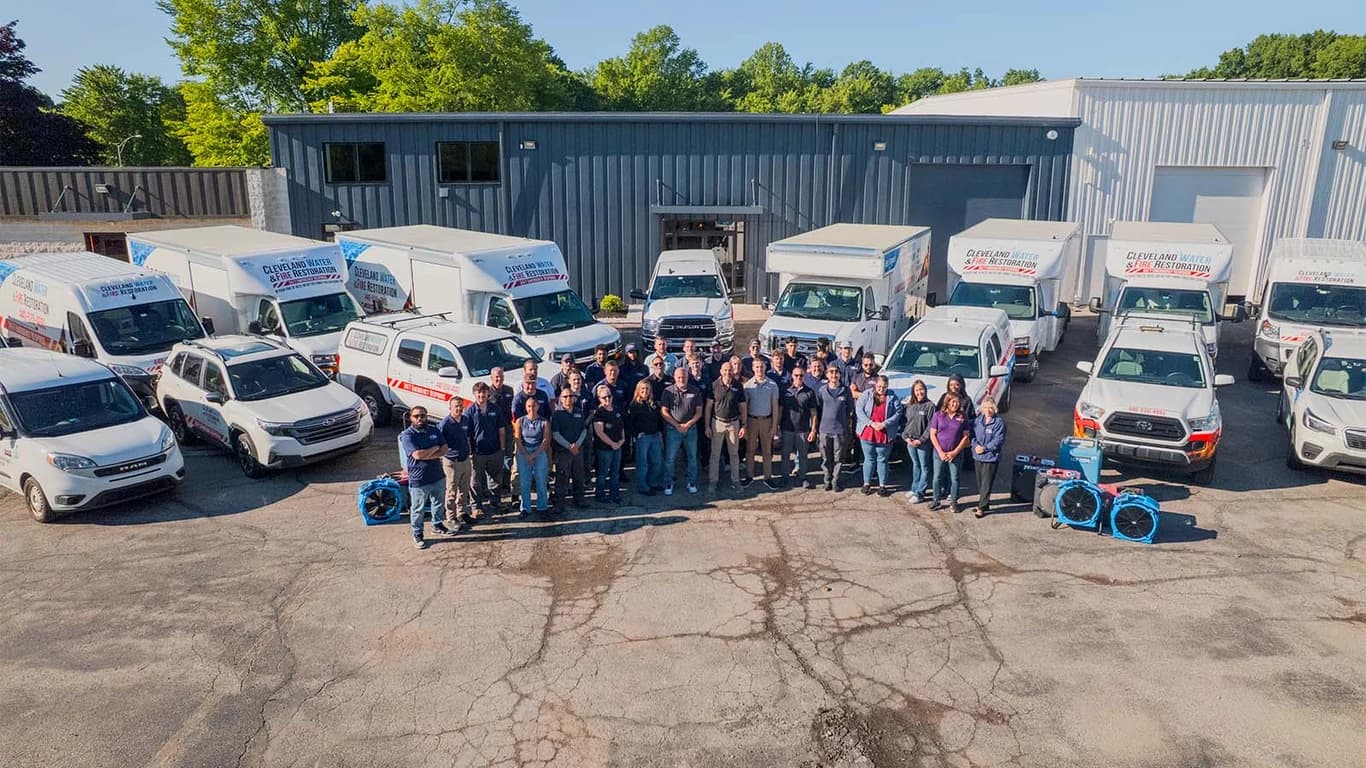
Cleveland Water and Fire Restoration, Inc. handles the cleanup. The rebuild is carried out by Keselman Construction Group, and our project manager facilitates communications between you, the municipality, our suppliers and the professional tradesmen to make sure things run smoothly and the timeline is followed. A person answers 24/7, and a First Responder is typically on site within 1 hour to establish the next course of action. Call us for a no-obligation estimate and a clear explanation of the next steps.