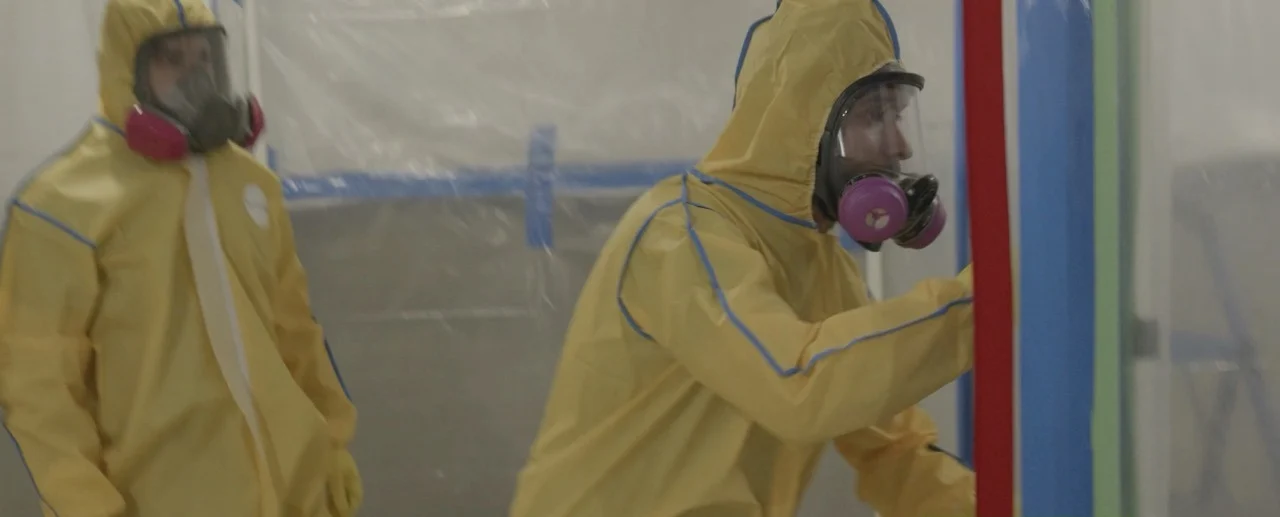

Video transcriptHow Fast Does Mold Grow After Water Damage?
Zakhar, how fast does mold grow after property has water damage? Steve, the science tells us that when humidity is over 60% and there is moisture present in the property, mold can multiply within 24 to 48 hours.
Under the right conditions, mold can begin developing within 24 to 48 hours after water intrusion. That is why prompt drying matters. The EPA recommends drying wet materials within 24 to 48 hours to help prevent growth; this is a cleanup target, not a guarantee that mold starts at an exact hour.
If you’re in Greater Cleveland and need immediate help, see 24/7 Water Damage Restoration or Contact Us Now.
Understanding Mold Growth
Mold is a fungus that thrives in damp, indoor environments. It spreads by releasing microscopic spores that settle on surfaces. Given moisture, warmth, and an organic food source (like drywall, wood, or dust), those spores can become active and colonize quickly.
If you suspect hidden moisture or early mold activity, Mold Inspection & Removal explains how professional testing and remediation work.

Conditions That Favor Mold
Mold growth typically requires three things:
- Humidity: Elevated humidity makes drying harder. The EPA recommends keeping indoor relative humidity below 60%, ideally between 30% and 50%; this is a prevention target, not a precise threshold for growth.
- Moisture: Leaks, floods, or spills provide the water needed for spores to germinate.
- Temperature: Most indoor molds thrive between 60°F and 80°F (15°C to 27°C), the same range found in many homes.
For more on urgency and moisture control, see How Delayed Water-Damage Cleanup Affects a Home.
Timeframe: How Quickly Mold Starts
Under favorable conditions, including elevated humidity, available moisture and moderate temperature, mold can begin developing within 24 to 48 hours after water damage. That window supports prompt drying and dehumidification. Learn more about Emergency Water Damage Cleanup and Restoration.
Mold can begin developing within 24 to 48 hours.
Early Intervention: What to Do First
Swift, decisive steps can make the difference between a quick dry-out and a costly mold remediation:
- Address Safety and the Source: Keep out of standing water when electrical hazards or contamination may be present. Call for water damage assessment and extraction.
- Plan the Drying: Dehumidification and moisture measurements help determine whether wet materials are drying throughout, including concealed areas.
- Assess Before Disturbing Mold: Tell the restoration team if you see growth or suspect contaminated water so containment and drying methods can be planned together.
- Inspect Thoroughly: Moisture often wicks into drywall, insulation, and subfloors. Professional meters and infrared cameras help find hidden dampness. → Mold Inspection & Removal
- Document & Communicate: Photos, notes, and early contact with your restoration pro streamline the process. → What to Expect with Water Damage
Health Risks to Consider
Mold exposure may irritate the eyes, nose, throat or skin and may aggravate allergies or respiratory conditions for some people. If anyone in the home is immunocompromised or has health concerns, speak with a medical professional and arrange a professional property assessment:

Long-Term Structural Impact
Mold can degrade porous building materials such as drywall, wood and insulation and can stain or damage finishes. For examples of restoration work, explore our recent projects.
Prevention Tips
Proactive maintenance minimizes risk after a leak or storm:
- Regular Inspections: Check plumbing, roofing, and foundation for intrusion points. → All Restoration Services
- Ventilate Damp Areas: Bathrooms, kitchens, basements, and laundry rooms benefit from exhaust fans and consistent airflow.
- Fix Leaks Fast: Even small drips can feed mold behind walls.
- Use Mold‑Resistant Materials: Consider mold‑resistant drywall/paint in chronically humid zones.
- Know Common Myths: DIY bleach often doesn’t solve mold at the root. → Mold Remediation: 6 Common Misconceptions
When to Call a Professional
If water has been present for more than a few hours, moisture has reached porous materials, or you notice a musty odor, it’s time to bring in certified help. Start here:
Want to vet the team first? Browse our advice and resources and learn About Our Company.
Key Takeaways
- Speed matters: Mold can start within 24 to 48 hours after water damage.
- Control humidity & moisture: Keep RH under ~60% and dry materials quickly.
- Act immediately: Address safety, control the water source when safe, and arrange assessment, extraction and drying.
- Protect the building: Early mitigation can limit additional material damage.
Need immediate assistance in Greater Cleveland?
Contact Cleveland Water and Fire Restoration, Inc. (24/7) or explore our emergency services.
Related resources
This article provides general guidance and does not replace a professional property inspection or medical advice. For help with the building, call Cleveland Water and Fire Restoration, Inc. at any hour.